‘$23 Billion Up for Grabs’
Please read full article. ‘$23 Billion Up for Grabs’ Joe Biden’s embrace of VA outsourcing just got worse. BY SUZANNE GORDON, STEVE EARLY OCTOBER 25, 2023 The Department of Veterans [...]

Author, Journalist, Public Speaker
& Patient Advocate
Suzanne Gordon is an author and speaker with special expertise in healthcare systems, teamwork, patient safety, and nursing.
Author, Journalist, Public Speaker
& Patient Advocate
Suzanne Gordon is an author and speaker with special expertise in healthcare systems, teamwork, patient safety, and nursing.
Ideas, Inspiration, and Strategies for Change from the Front Lines of Care
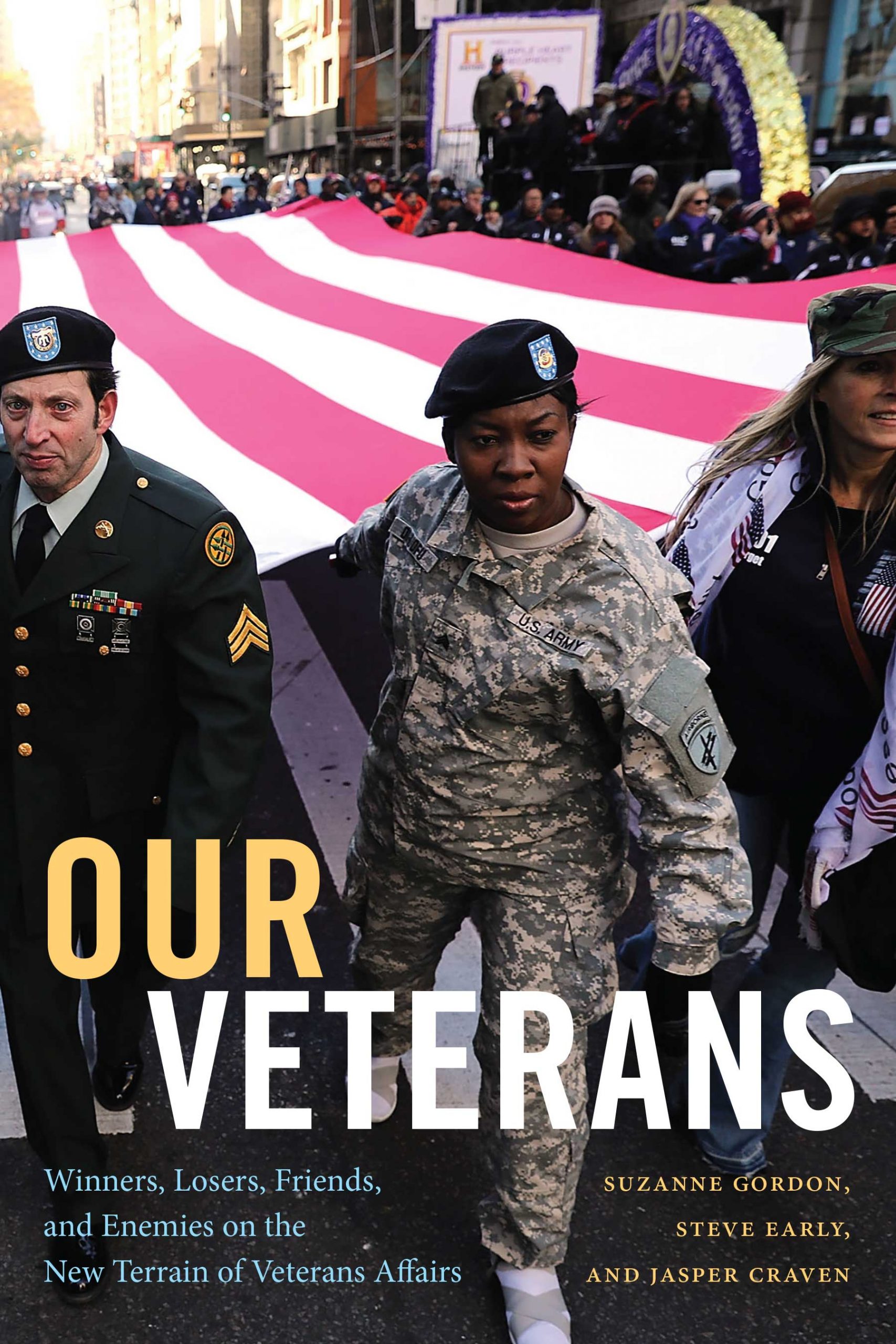
Our Veterans
The latest book by Suzanne Gordon
Winners, Losers, Friends, and Enemies on the New Terrain of Veterans Affairs
““This chilling account explores the physical, economic and psychological consequences of military service on veteran health and takes a critical look at the many players involved in shaping veteran life in the United States.”
~ New York Times Book Review
“As this book reveals, too many men and women in the military are exposed, callously and carelessly, to a toxic work environment. Their service-related problems can lead to unemployment, homelessness, and high suicide rates. That’s why veterans need more real friends, in Congress and the public, who will better defend the lifesaving programs of the Department of Veterans Affairs (VA). Our Veterans is a call to action by everyone concerned about health equity and educational opportunity for all Americans.”
Michael Blecker
executive director of Swords to Plowshares, Vietnam veteran
Wounds of War
Now Available in Paperback
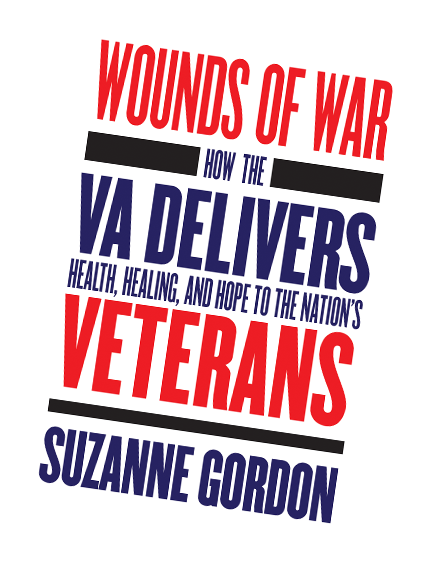
How the VA Delivers Health, Healing, and Hope to the Nation’s Veterans
“Wounds of War highlights what the average American rarely gets to see in the news media but what many veterans know first-hand: day in and day out—and with little fanfare—the Veterans Health Administration provides high quality, patient-centered care to millions of our nation’s veterans.”
—Senator Bernie Sanders
Speaking Engagements: During the Conona Virus pandemic, Suzanne Gordon is available remotely via teleconferencing to do lectures, talks and workshops.
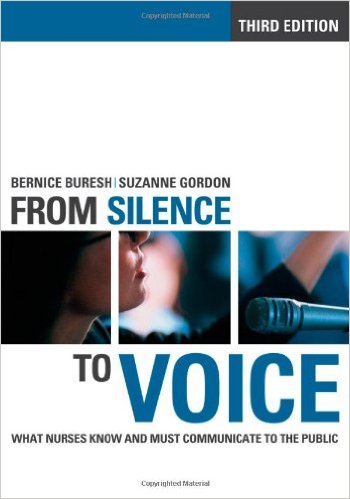
From Silence to Voice Presentation
Because of the Corona Virus Pandemic, the public and policy makers have finally discovered the value of nursing. Nurses need to take advantage of this opening and tell their stories. Please view this short lecture that helps nurses showcase their important work.


Suzanne Gordon is an award-winning journalist and author. She has written for The New York Times, The Los Angeles Times, The Washington Post, The Atlantic, The Nation, The American Prospect, The Washington Monthly, The Globe and Mail, The Toronto Star, JAMA, The Annals of Internal Medicine, The BMJ, and others. She is the co-editor of The Culture and Politics of Health Care Work series at Cornell University Press.
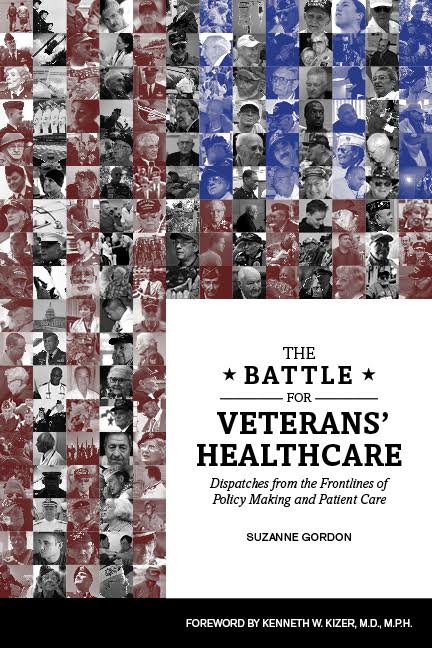
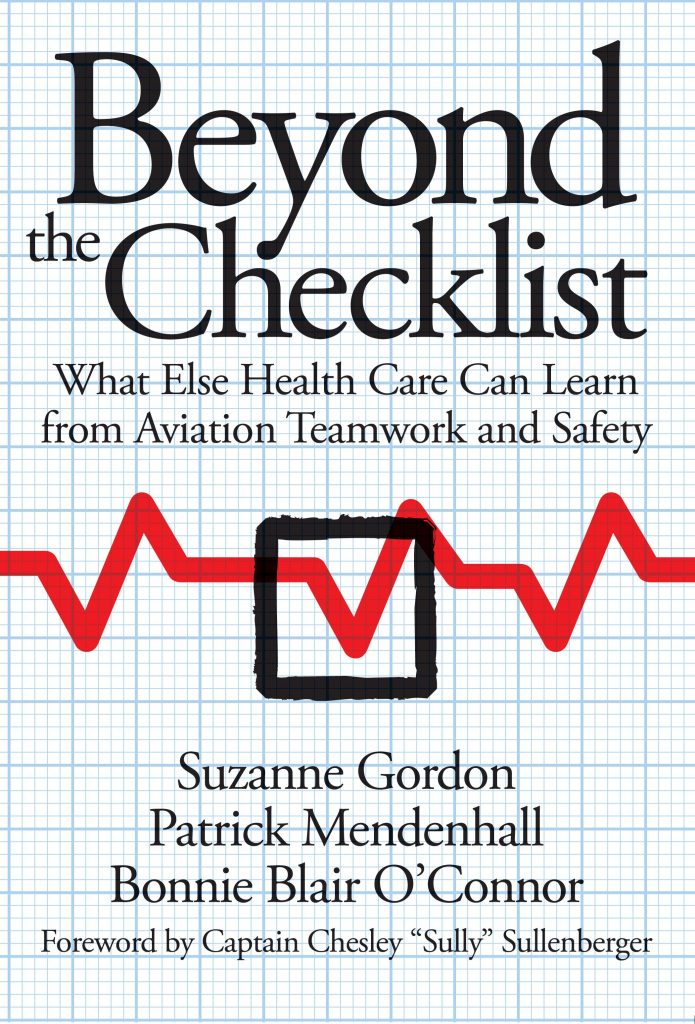
Suzanne is the author, co-author or editor of 19 books including Life Support: Three Nurses on the Front Lines and Beyond the Checklist: What Else Healthcare Can Learn from Aviation Teamwork and Safety. Her latest book, The Battle for Veterans’ Healthcare: Dispatches from the Frontlines of Policy Making and Patient Care has just been published by Cornell Publishing. For her coverage of VA Healthcare, Suzanne has received the DAV’s 2017 Special Recognition Award.
Suzanne is an Assistant Adjunct Professor at the UCSF School of Nursing and an Affiliated scholar with the University of Toronto Faculty of Medicine’s Wilson Centre. With Lisa Hayes, she has written a play about patient safety and teamwork entitled Bedside Manners.
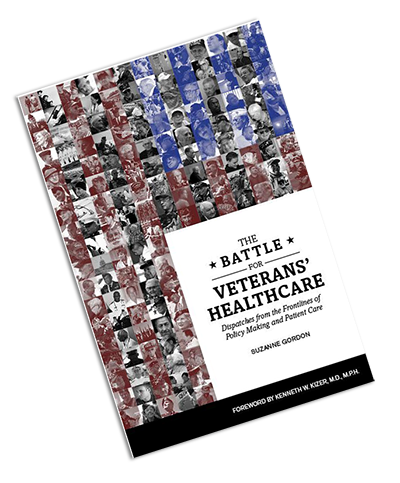
In The Battle for Veterans’ Healthcare, award-winning author Suzanne Gordon takes us to the front lines of federal policy-making and healthcare delivery, as it affects millions of Americans whose military service makes them eligible for Veterans Health Administration (VHA) coverage